• Home
  • About Me
  • Therapy
    • Therapy for Children
    • Therapy for Adolescents
    • Therapy for Adults
    • Career Counselling
  • Other Services
    • Parent Guidance
    • Talks and Workshops
    • Community Work
  • Fees
  • Melville Practice
  • Contact Me
  • Blog
Jonathan Bosworth Counselling Psychologist Johannesburg
16 Seventh Avenue
​Melville
Johannesburg
2092

Mobile: 083 703 5121
Email: [email protected]

Planning a Gender Identity Interest Group

27/1/2014

1 Comment

 
Picture
We have identified a need for more collaboration and support for mental healthcare professionals working with transgender, intersex and gender-variant individuals.  We would like to invite interested parties to our upcoming meeting to:
  • better establish the needs of healthcare professionals working with gender-variant clients;
  • problem solve on ways to better meet the needs of healthcare professionals and their gender-variant clients; and 
  • to plan a gender identity interest group for mental healthcare professionals

DATE:           Wednesday 19 February 2014
VENUE :       The Family and Child Therapy Centre, 22 First Avenue, Melville (next door to                       the Melville Animal Clinic)
TIME:            19h15 for 19h30

RSVP TO:    Jonathan Bosworth on [email protected] or 083 703 5121 by                            Wednesday 12 February

Kind Regards

Jonathan Bosworth (Counselling Psychologist),
Claire Jaynes (Counselling Psychologist), and
Fred Walter (Clinical Psychologist)
1 Comment

Transgender Infographics

9/1/2014

0 Comments

 
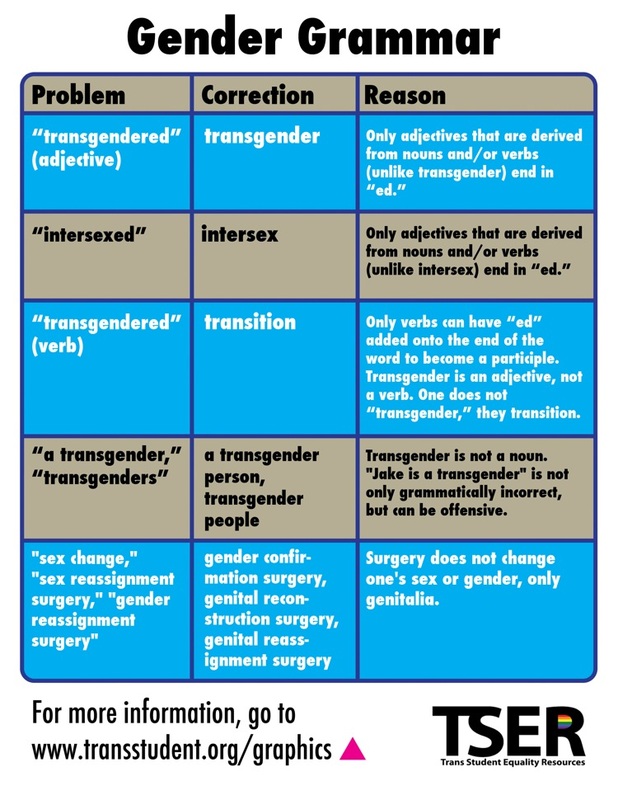
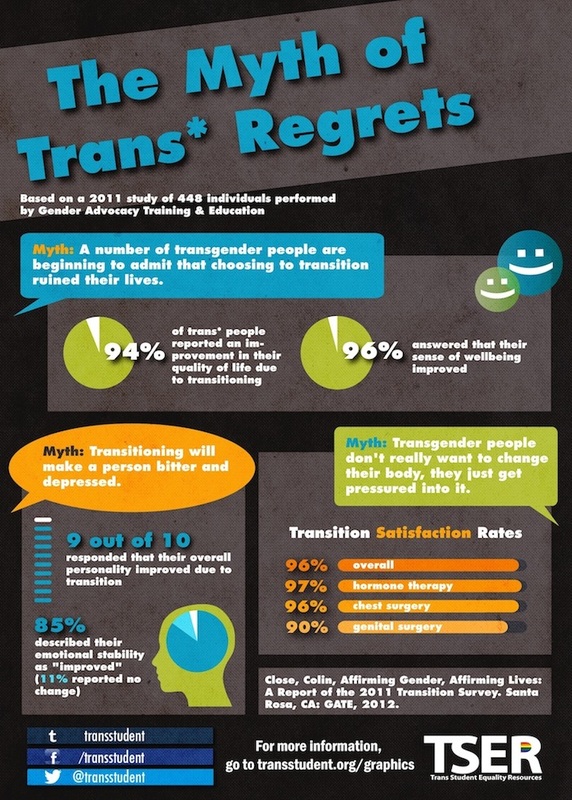
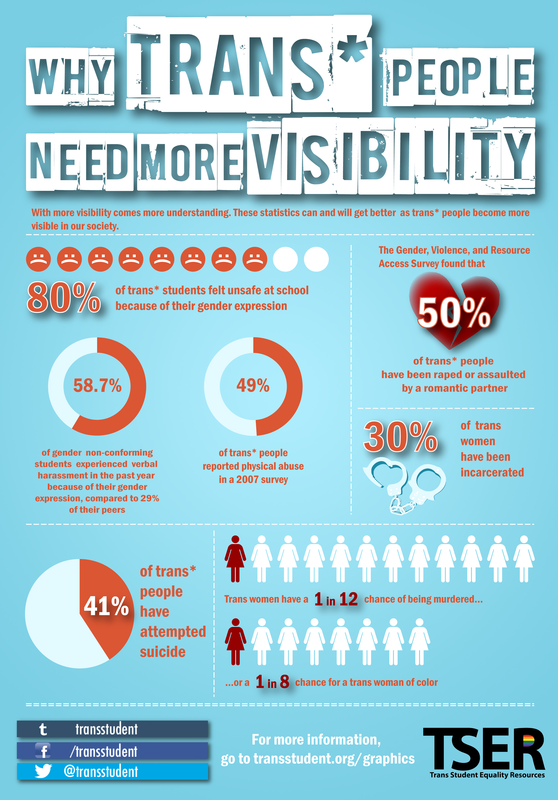
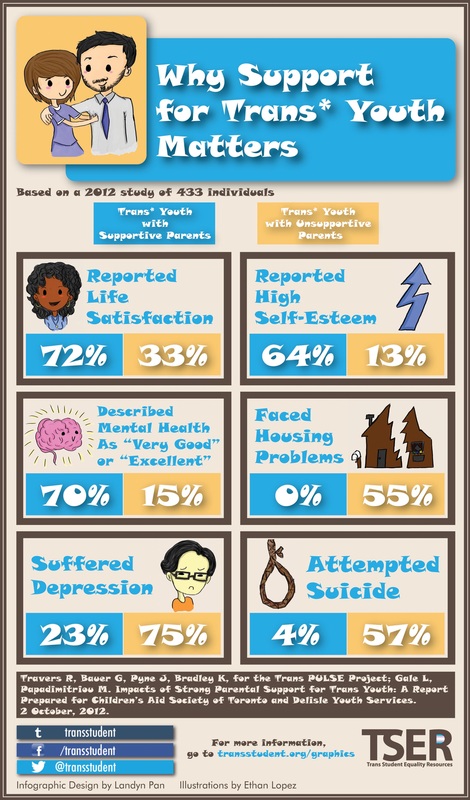
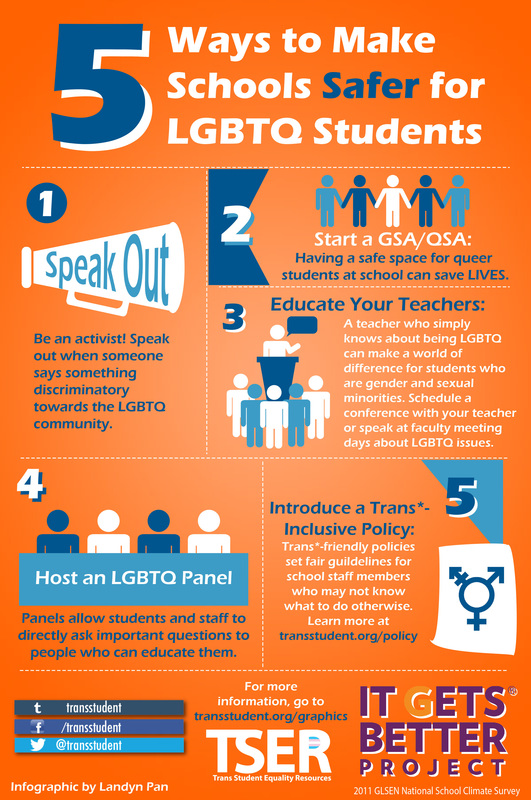
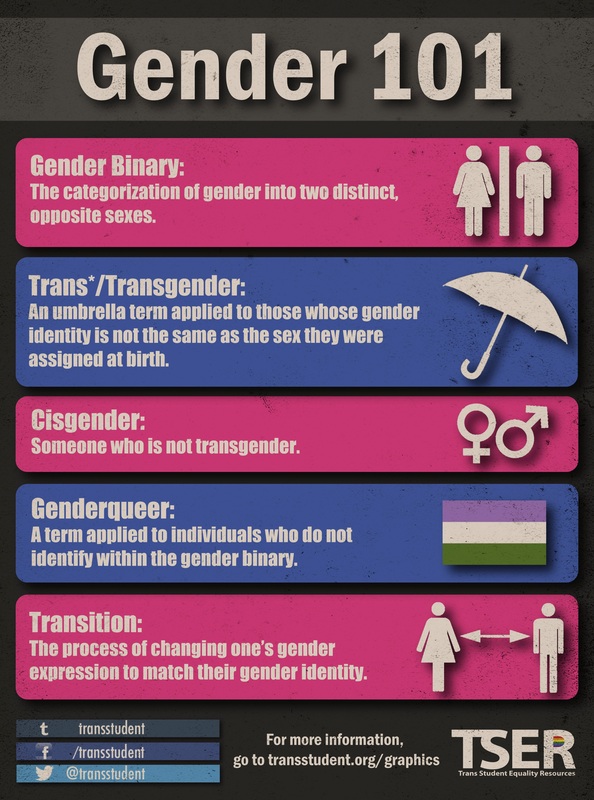
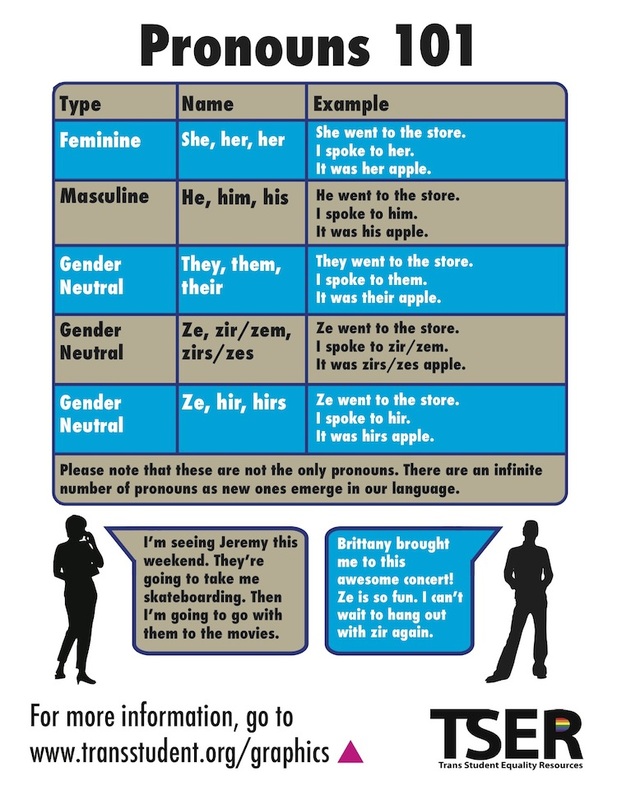
Trans Student Equality Resources (TSER) have released an important series of infographics on transgender-related topics.  Trans persons and significant others, family, friends and allies (SOFFAs) of trans persons may find these particularly helpful in educating themselves and those around them.
Picture
Picture
Picture
Picture
Picture
Picture
Picture
0 Comments

What is Parent Infant Psychotherapy?

17/7/2013

2 Comments

 
Picture
Babies have a rich mental life, and just like children and adults they can also experience psychological difficulties.  Infants may not be able to convey their distress through language but often express their difficulties through restlessness, aggression, sleep, eating, elimination, relationship and developmental problems.

Babies' foundational way of knowing and experiencing the world is through their primary caregiver/s.  The bond between the infant and their primary caregiver/s (commonly referred to as attachment) plays a huge role in an infant's mental and physical health.  This bond can be disrupted for various reasons: due to difficulties within the infant (such as medical problems), difficulties within the primary caregiver/s (for example depression or loss) or in the dynamics between infant and caregiver (for instance a baby with a difficult temperament and a mother with low internal resources due to stressful circumstances).  

Due to the importance of this bond and the baby not being able to experience psychotherapy by themselves, a strategic intervention for difficulties in infant (and sometimes parental) mental health is parent infant psychotherapy (PIP).  In PIP both infant and parent/s are present in the room.  The therapist particularly focuses on the relationship between the infant and their caregiver/s to help manage stress and work through psychological tensions in and between the baby and their caregiver/s.  The therapist also provides the dyad (or triad) with support and guidance.

Columbia University's Center for Psychoanalytic Training and Research describes what parent infant psychotherapy is a different way and provides a useful case example to better understand what PIP may entail.

2 Comments

Parenting Teenagers

1/7/2013

1 Comment

 
Picture
Parenting teenagers can be very challenging but also really rewarding.  Adolescence is an important developmental stage that often has a big impact on our later lives.  Both parents and teenagers may approach adolescence with a mix of feelings.

Keeping all of this in mind, I will regularly be writing parenting articles for parents with teenagers for All4Women.co.za.  I hope that these articles empower parents to assist themselves as well as their adolescents.  Links to my first two articles can be found below:
  • How to support your teenager through adolescence
  • Communicating with teens - active listening

1 Comment

Building a Relationship with Your Child’s School

17/6/2013

0 Comments

 
Picture
Building and maintaining a good relationship with your child's school can have various benefits, such as:
- having a better understanding of your child's development
- being involved in preventing educational and behavioural problems
- demonstrating to your child how invested you are in them and their education
- being better able to support your child
- improving your child's attitude towards school and school attendance
- potentially improving your child's academic performance and overall functioning; and
- potentially allowing your child to go further in their education

But how do you build and maintain a good relationship with your child's school?

The article, Building a relationship with your child's school, provides some excellent practical advice on how to build and maintain this relationship.  The article thoughtfully  takes into account different parents' capacities (working or not working, amount of time available, own strengths etc.) and how to build the relationship at different levels of schooling.

The article is written by the Raising Children Network, an Australian parenting website.  The website is a great resource for parents, families and teachers and offers valuable information on topics across your child's development.

0 Comments

Raising Teens Without Ruining Your Marriage

3/6/2013

0 Comments

 
Picture
Parenting children at any age can be stressful and difficult for parents.  Dealing with this stress often impacts on the parents relationship with each other.  Adolescence is commonly experienced as one of the more difficult developmental periods to parent.  It hence may be more stressful and have a greater impact on the parents relationship.  However, it is not just the stress of parenting teenagers that may increase this impact but the very nature of the developmental issues that adolescents are working through.  

Psychologist Suzanne Phillips suggests three guiding principals (balance, communication and connection) that specifically assist with your teenager's navigation of their developmental tasks as well help strengthen your relationship with your partner.  In Phillips' article (Raising Teens Without Ruining Your Marriage: Three Principles), she provides a useful overview of the difficulties underlying adolescence and how these may guide how teenagers may feel and behave.  She relates these developmental challenges to  the specific tasks parents of teenagers face and how they can practically address these while strengthening their own relationship.  She also emphasise how rewarding and growth-promoting this period may be for you, your relationship and your adolescent: 

"Whatever else life offers, raising a teen will probably offer you the greatest moments of joy and the greatest moments of stress. As such it can invite problems that strain your marriage and possibilities that enhance your parenting and partnering."

0 Comments

The Importance of Your Twenties

2/6/2013

0 Comments

 
Picture
Twenty-some-things or people in their twenties are often not taken seriously.  This period of life is commonly associated as being fun and carefree.  In the following Ted Talk psychologist Meg Jay points out how this may be an unhelpful misconception.  She thought-provokingly points out how one's twenties can have a major impact on the rest of one's life: in one's career, relationships and beyond.  Jay call the twenties the critical developmental period of adulthood.  I think this video is not only important for twenty-some-things (and pre-twenty-some-things) but also for older persons contemplating their development, their life-defining-moments and where they are currently. 

0 Comments

A Campaign to Change to How We Speak About HIV

27/5/2013

1 Comment

 
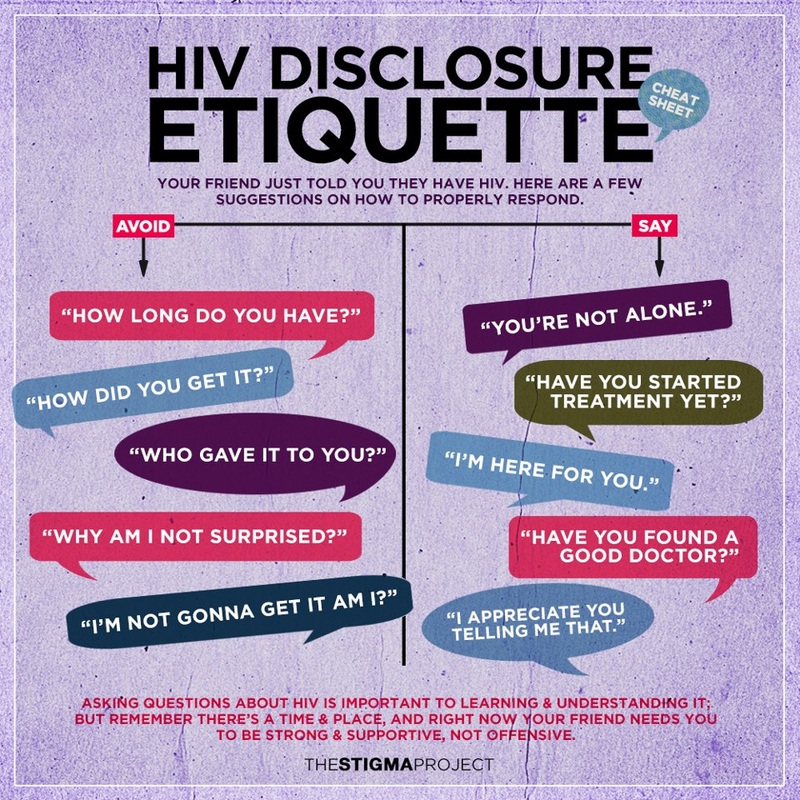
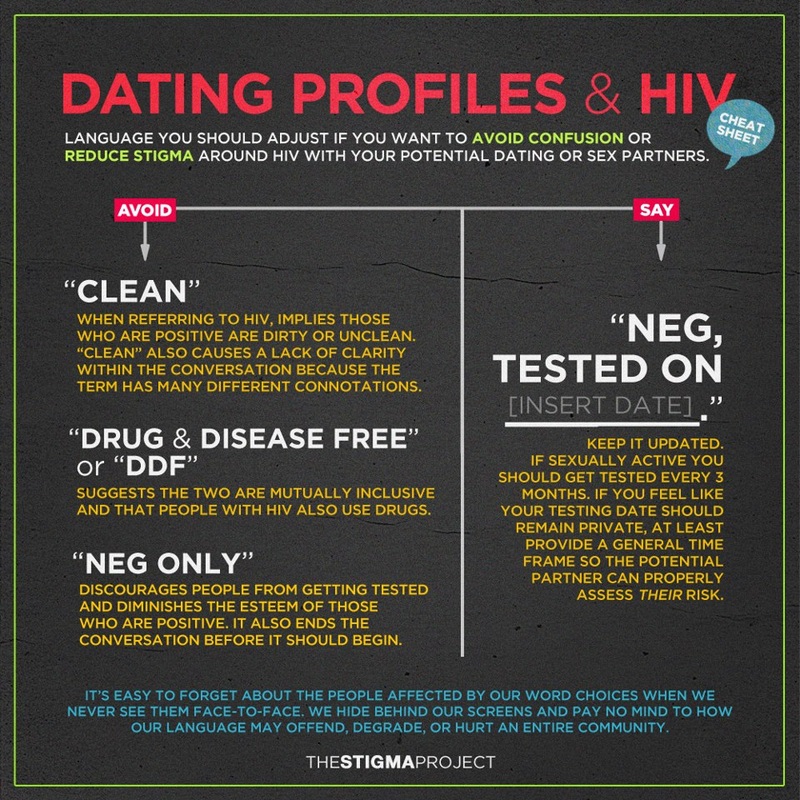
Can the way we speak about HIV reduce stigma and lower HIV infection rates? This is what the Stigma Project hopes to achieve with their Spring 2013 Campaign:
Picture
Picture
Picture
Picture
Picture
Picture
Picture
1 Comment

Are We Creating Anxiety in Our Children?

26/5/2013

1 Comment

 
Picture
Anxiety is a part of everyday life, but how do we approach it?  Is it something taboo?  Something to avoid at all costs?  As parents, teacher and healthcare professionals do we not allow children to sit with or face anxiety?

In the following article social worker and psychotherapist Lynn Lyons proposes that society (in her case American society but I think there are applications to South African society) catastrophises anxiety and because of this does not allow children to sit with any anxiety:
"In short, kids and parents are often so anxious about anxiety itself that they must prevent even the least anxious twinge—any feelings of uncertainty and discomfort. As anxious parents try to reassure, comfort, explain, argue, punish, and bribe their child out of the anxiety, they grow more and more emotionally reactive, angry, and distraught, even bursting into tears before ultimately capitulating.

...As a society, we’re obsessed with security, safety, and predictability. As good parents, we tend to think that we should keep our children from ever feeling afraid, upset, or vulnerable. After all, we have technology for keeping in constant touch with our kids, reassuring them and ourselves that we always have their backs. It makes us and them feel better, too, so why not use it?"


Lyons' argument is therefore that not allowing children to sit with anxiety fosters more of an intolerance to anxiety and thus even more anxious children.  She emphasises the importance of teaching children to tolerate and cope with anxiety.  Anxiety is an important part of our everyday lives - it is something we need to work with and use.  How many significant events in your life have been free of anxiety?  Large decisions?  Public speaking? Emergency situations?  Motivating your self to complete daunting tasks (at school, university or in the workplace)?

Lyons points out how handling anxiety is an important life skill for children (and adults):
"Here’s why not: kids need to be problem solvers. They need to learn how to improvise when things go awry, to take the next step when plans fall apart, in order to grow up. Anxiety will come. So will disappointments, grief, and, occasionally, even disaster. Sometimes our imaginations will be enough to make us panic, but sometimes our imaginations are just practice for the real thing. Children need to learn how to function with anxiety in the passenger seat. When we overprotect them, we deprive them of the practice needed to manage in the world."


The key message here is that we need to reformulate the way we think about and approach anxiety.  This can be in our everyday lives as well as with more significant cases of anxiety that impact on our functioning.  Ideally we could all manage our anxiety by ourselves but it is not uncommon that we sometimes need to seek professional help with our anxiety (especially when it disrupts our social and occupational functioning and quality of life). Lyons provides interesting case material of a family getting help for anxiety.  Read her full article, Taming the Wild Things, here. 

While sometimes it is important to work at building tolerance to anxiety as pointed out by Lynn Lyons and her case material (in more Cognitive Behavioural therapies), there are also other times when it may be key to understand the underlying cause or causes of anxiety (as in more Psychoanalytic or Psychodynamic psychotherapies).  The latter approaches may also effectively reduce anxiety symptoms while simultaneously creating meaning.

I think it is also important to note that while children may need to learn to tolerate anxiety this level of anxiety needs to be age-appropriate and manageable for the child.  It is up to parents to allow children to face anxiety but also to create healthy limits to what a child is exposed to.

1 Comment

Sexual Orientation and Gender Identity Resources for Teachers, Parents and Learners

21/5/2013

2 Comments

 
Picture
Sexual orientation and gender identity are still a controversial topics in South African schools.  Lesbian, gay, bisexual, transgender and intersex (LGBTI) youth, teachers and parents still face prejudice and discrimination on a daily basis.  Many parents and teachers find it difficult to provide education on sexual orientation and gender identity.  They may also battle to provide support for LGBTI youth.  Furthermore, learners often do not have access to adequate resources on sexual orientation and gender identity.

Gay and Lesbian Memory in Action (GALA) have recently launched a website providing resources for LGBTI youth, their parents, teachers and allies as well as for researchers.  These free and valuable resources provide accessible overviews of sexual orientation and gender identity.  They make recommendations about best practices, policy and education and empower learners, parents and teachers with the information they need.  Find these highly recommended sexual orientation and gender identity resources here. 

2 Comments
<<Previous
Forward>>

    Jonathan's Blog

    I use this blog to post links to articles and videos that may relate to some of my services or interests.  This content may also be useful for potential clients as well as other people interested in psychology and self development.

    Picture
    Picture

    Archives

    July 2021
    June 2021
    May 2021
    March 2021
    October 2020
    August 2019
    May 2019
    February 2019
    January 2019
    August 2018
    July 2018
    July 2016
    February 2016
    June 2015
    November 2014
    May 2014
    April 2014
    January 2014
    July 2013
    June 2013
    May 2013
    April 2013
    March 2013

    Categories

    All
    Adolescent Psychologist
    Adolescents
    Adoption
    Age
    Aggression
    Anxiety
    Assessment
    Attachment
    BDSM
    Best Practice
    Biology
    Birth Order
    Bisexual
    Book Recommendation
    Career Guidance
    Cbt
    Child Psychologist
    Children
    Choosing A Therapist
    Consensual Non Monogamy
    Consensual Non-monogamy
    Couples
    Depression
    Development
    Documentary
    Education
    Educators
    Endings
    Event
    Family
    Family Life Centre
    Fatherhood
    Feminist Studies
    Gay
    Gender
    Gender Diverse
    Gender Diversity
    Gender Dynamix
    Gender Identity
    Gender Non Conforming
    Gender Non-conforming
    Gender Therapist
    Guest Speaker
    Guidelines
    Hormone Replacement Therapy
    Human Rights
    Infant Mental Health
    Infographic
    Information Day
    Intersex
    Interview
    Johannesburg
    Johannesburg Psychologist
    Lesbian
    Lgbti
    LGBTI+
    Masculinities
    Media
    Men's Health
    Mental Health
    Mental Healthcare Professionals
    Neuropsychology
    Non-binary
    Parent Infant Psychotherapy
    Parent-infant Psychotherapy
    Parenting
    Parent Support
    Play Therapy
    Polyamory
    Postnatal Depression
    Professional Development
    Psychoanalysis
    Psychodynamic
    Psychologist
    Psychology
    Queer Studies
    Reading Group
    Reduced Rate Counselling Services
    Research
    Resources
    School
    Sex
    Sexuality
    Sexual Orientation
    Siblings
    Single Parents
    Sophiatown Community Psychological Services
    South Africa
    Support Group
    Teachers
    Teens
    Temperament
    Therapy
    Transformation
    Transgender
    Transgender Adolescents
    Transgender Children
    Transgender Healthcare
    Transgender Psychologist
    Transgender Support Group
    Trauma
    Twenties
    Webinar
    Winnicott
    Workshop

    RSS Feed

Proudly powered by Weebly